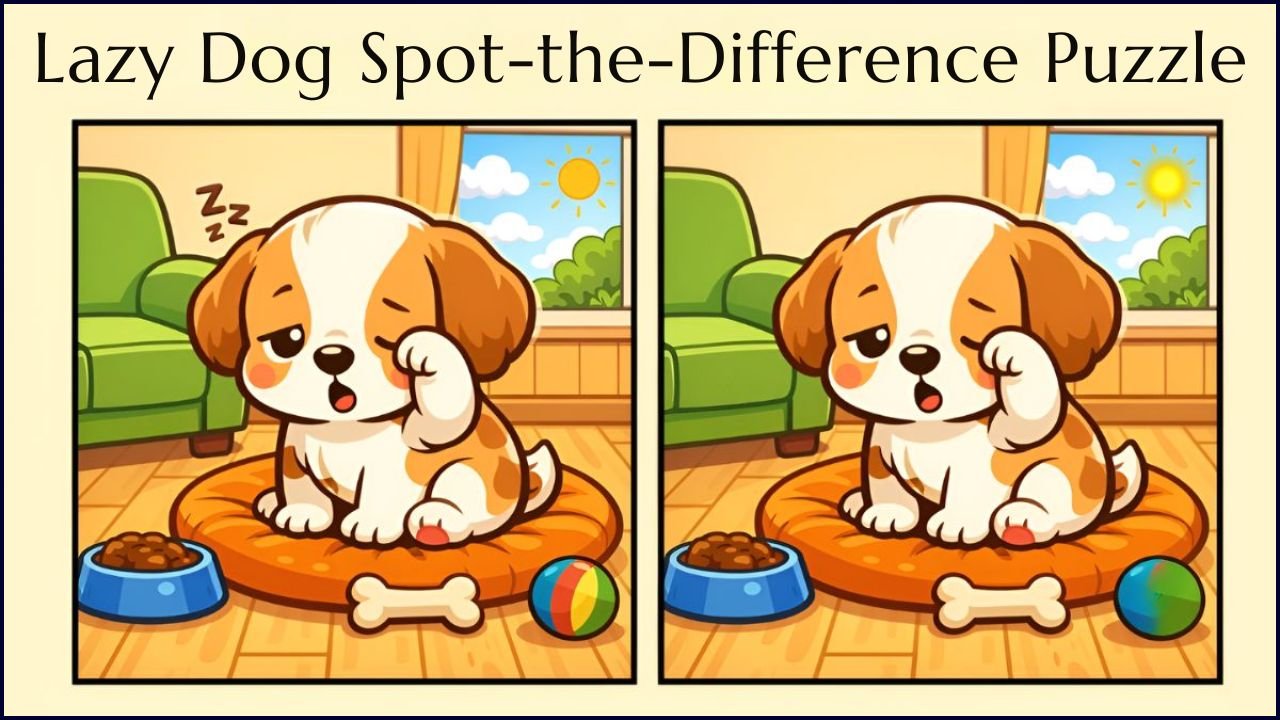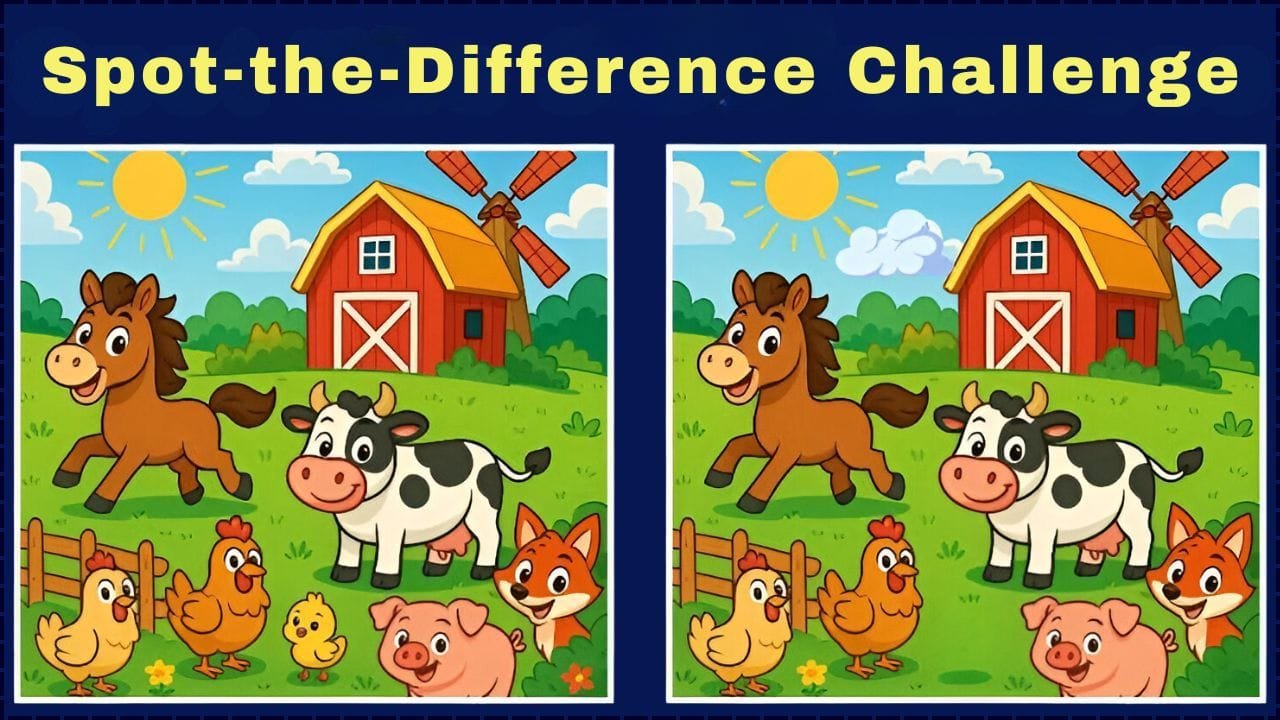

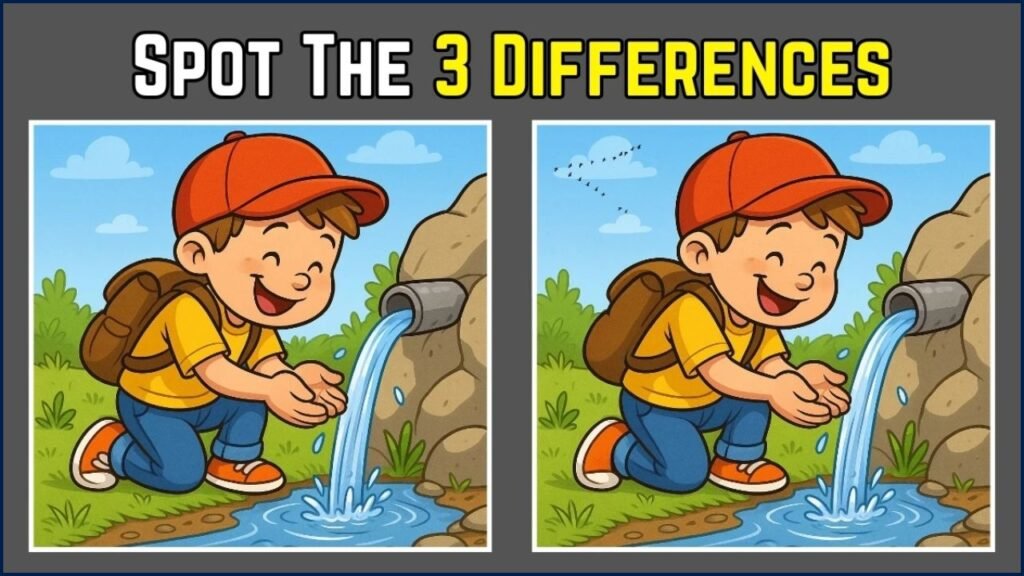
Spot the Difference challenges, which ask readers to identify subtle changes between two nearly identical images under strict time limits, have become a familiar feature across digital news platforms. Once associated mainly with children’s magazines and puzzle books, these visual tests are now regularly published by mainstream news outlets, lifestyle publications, and health sections of major media organizations.
Their rise reflects broader shifts in digital journalism, where competition for reader attention has intensified and publishers increasingly experiment with interactive formats. While these puzzles appear simple on the surface, their popularity reveals deeper trends in audience behavior, cognitive engagement, and the economics of modern news consumption.
Table of Contents
From Print Puzzles to Digital Engagement Tools
Spot the Difference puzzles have existed for more than a century. Early versions appeared in illustrated newspapers and children’s publications in the late 19th and early 20th centuries, often as leisurely pastimes rather than timed challenges. In print form, readers could take as long as they wanted to find discrepancies, and the activity was primarily recreational.
The digital transformation of media fundamentally changed how these puzzles function. Online publishing introduced metrics such as page views, time spent on page, and scroll depth, making reader engagement measurable in real time. Spot the Difference puzzles adapted easily to this environment. They require minimal explanation, load quickly on mobile devices, and encourage users to remain on a page longer than they might for a short news article.
As social media platforms began prioritizing visual and interactive content, these puzzles found new life as shareable challenges. Headlines framed as questions or tests, such as whether a reader can spot three differences in 12 seconds, appeal directly to curiosity and competitiveness, two powerful drivers of online engagement.
The Psychology Behind Visual Difference Detection
Cognitive scientists explain that Spot the Difference puzzles rely on several core mental processes. These include visual perception, selective attention, short-term memory, and pattern recognition. When a time limit is imposed, the brain prioritizes speed over accuracy, which increases cognitive arousal and heightens focus.
Researchers studying visual attention note that humans are not naturally good at detecting small changes, a phenomenon known as “change blindness.” This limitation explains why even simple puzzles can feel surprisingly difficult. The challenge lies not in intelligence but in how the brain filters visual information.
Time pressure plays a crucial role. Short deadlines prevent readers from systematically scanning every detail, forcing them to rely on instinctive visual cues. This creates a sense of urgency that makes the activity more engaging, even if the puzzle itself remains relatively simple.

What These Puzzles Measure—and What They Do Not
Despite frequent claims that Spot the Difference challenges test intelligence or visual IQ, experts caution against such interpretations. Psychologists emphasize that performance on these puzzles does not correlate strongly with general intelligence, problem-solving ability, or academic skill.
Instead, the puzzles measure a narrow set of abilities related to visual scanning speed and attention control. Factors such as fatigue, screen size, lighting conditions, and even stress levels can significantly affect performance. A reader who fails to spot the differences is not demonstrating lower intelligence, only a momentary limitation in visual attention.
That said, some researchers suggest that engaging in visual attention tasks may help maintain certain cognitive functions over time. Studies on aging and cognition indicate that activities requiring focused visual processing can support mental flexibility, though the effects are modest and vary widely among individuals.
Why News Organizations Use Them
From a newsroom perspective, Spot the Difference puzzles serve multiple purposes. They attract readers who might not otherwise click on traditional articles, especially on social media feeds dominated by images and short videos. They also encourage users to remain on a page longer, which can improve engagement metrics that influence advertising revenue and algorithmic visibility.
Editors argue that these puzzles do not replace serious journalism but complement it. Many outlets place them within lifestyle or wellness sections, clearly separating them from hard news coverage. In some cases, puzzles act as gateways, drawing readers into broader sections of a website where they may encounter in-depth reporting.
Data from digital media analytics firms consistently show that interactive content performs better than static text in terms of reader retention. For publishers facing declining subscription growth or advertising pressure, such formats offer a relatively low-cost way to boost engagement.
Criticism and Concerns About Editorial Standards
Not everyone views the trend favorably. Media critics have raised concerns that the growing presence of puzzles and quizzes could dilute the perceived seriousness of news organizations. Some argue that excessive reliance on engagement-driven content risks prioritizing clicks over public-interest reporting.
There is also concern about misleading framing. When puzzles are presented as intelligence tests or cognitive assessments, readers may draw inaccurate conclusions about their abilities. Experts argue that news outlets have a responsibility to avoid overstating the significance of such challenges.
Editors respond that responsible labeling and contextual explanation can address these concerns. Many publications now avoid explicit claims about intelligence and frame puzzles as light mental exercises or entertainment features. The debate reflects a broader tension within journalism between innovation and tradition.
The Role of Mobile Technology
The widespread use of smartphones has significantly contributed to the popularity of Spot the Difference puzzles. Small screens encourage visual content that can be consumed quickly, and touch-based interaction aligns well with puzzle formats. Unlike long-form articles, these challenges can be completed during brief moments, such as commuting or waiting in line.
Mobile-friendly design has also influenced puzzle structure. Differences are often more visually obvious, colors are brighter, and layouts are optimized for portrait orientation. These design choices reflect the realities of modern news consumption, where a majority of readers access content through mobile devices.
Cultural Appeal and Global Reach
Spot the Difference puzzles transcend language barriers, making them especially appealing to global audiences. Visual challenges require minimal translation and can be easily adapted for international editions of news websites. This universality contributes to their widespread use across regions and cultures.
In some markets, these puzzles are framed as stress-relief tools or mindfulness exercises. In others, they are marketed as brain-training activities. The flexibility of the format allows publishers to tailor presentation to local audience preferences without changing the underlying content.
The Business Side of Visual Challenges
From a commercial standpoint, puzzles are inexpensive to produce compared with investigative reporting or original photography. Many are created using stock illustrations or simple digital modifications. This low production cost, combined with high engagement potential, makes them attractive to publishers operating under financial constraints.
Advertising placement is another factor. Puzzles encourage users to stay on a page longer, increasing the likelihood that advertisements will be viewed. Some outlets integrate puzzles into subscription funnels, offering them as part of premium content packages.
However, reliance on such content also carries risks. Overuse can lead to audience fatigue, and readers may begin to associate a publication more with entertainment than with credible reporting. Media strategists emphasize the importance of balance.
Educational and Professional Applications
Beyond journalism, Spot the Difference exercises are used in educational and professional contexts. Teachers sometimes use them to develop observational skills in children, while employers in fields such as quality control and design may use similar tasks to assess attention to detail.
In healthcare, variations of visual comparison tasks are occasionally used in cognitive screening, though always as part of broader assessments rather than standalone tests. These applications underscore the task’s relevance while reinforcing its limitations.
Ethical Considerations and Transparency
As with any content that claims cognitive benefits, transparency is essential. Experts argue that publishers should clearly state what puzzles can and cannot measure. Avoiding exaggerated claims helps maintain trust and aligns with ethical journalism standards.
There is also a responsibility to ensure accessibility. Puzzles should be designed with consideration for readers with visual impairments, including appropriate contrast, scalable images, and alternative descriptions where possible.
The Future of Interactive News Content
Looking ahead, Spot the Difference puzzles are likely to remain part of the digital media landscape, though their form may evolve. Advances in artificial intelligence and interactive design could lead to personalized challenges that adapt to a user’s performance or preferences.
At the same time, publishers face growing pressure to demonstrate the value of journalism beyond entertainment. The continued success of visual puzzles will depend on how well they are integrated into broader editorial strategies that prioritize accuracy, depth, and public service.
Conclusion
The popularity of Spot the Difference puzzles says less about intelligence testing and more about how audiences engage with news today. In a fast-paced digital environment, readers are drawn to content that is visual, interactive, and easy to consume.
When used responsibly, these puzzles can coexist with serious journalism, offering moments of engagement without undermining credibility. Their continued presence reflects the ongoing challenge facing news organizations: capturing attention while maintaining trust in an increasingly competitive media ecosystem.