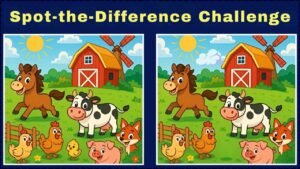

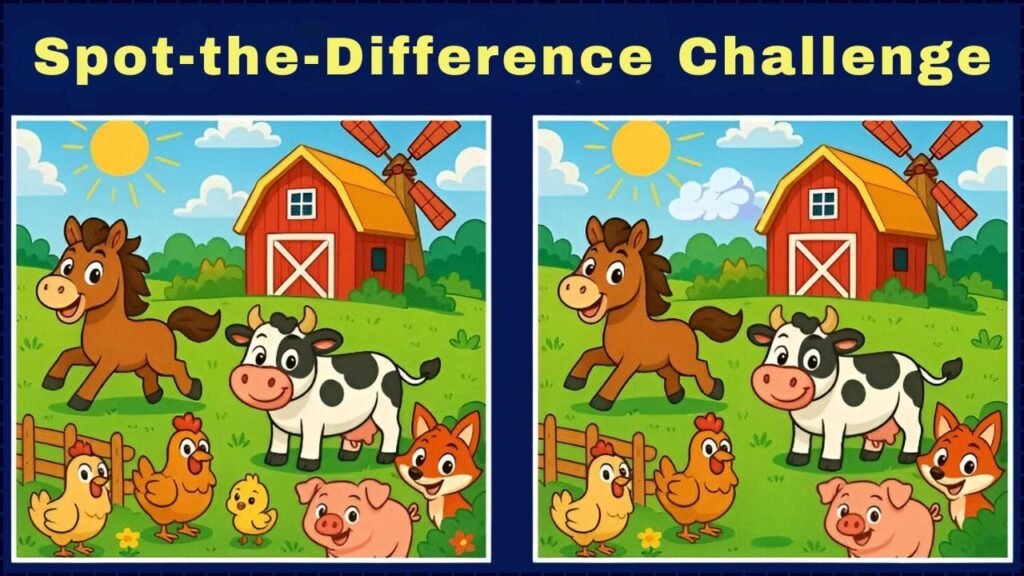
The Spot-the-Difference Challenge, a visual puzzle that asks viewers to identify subtle changes between nearly identical images, has become a widely shared feature across digital platforms. Often framed as timed tests, these challenges combine entertainment with elements of cognitive engagement. Their rapid spread highlights how simple visual tasks can capture attention, encourage participation, and sustain interest in an increasingly crowded online environment.
Table of Contents
Spot-the-Difference Challenge
| Key Aspect | Details |
|---|---|
| Core Concept | Identifying small visual changes between two similar images |
| Typical Time Limit | 5–15 seconds |
| Common Differences | Color shifts, missing objects, size or orientation changes |
| Cognitive Skills Used | Visual attention, pattern recognition, short-term memory |
| Main Criticism | Often misrepresented as intelligence tests |
What Is the Spot-the-Difference Challenge?
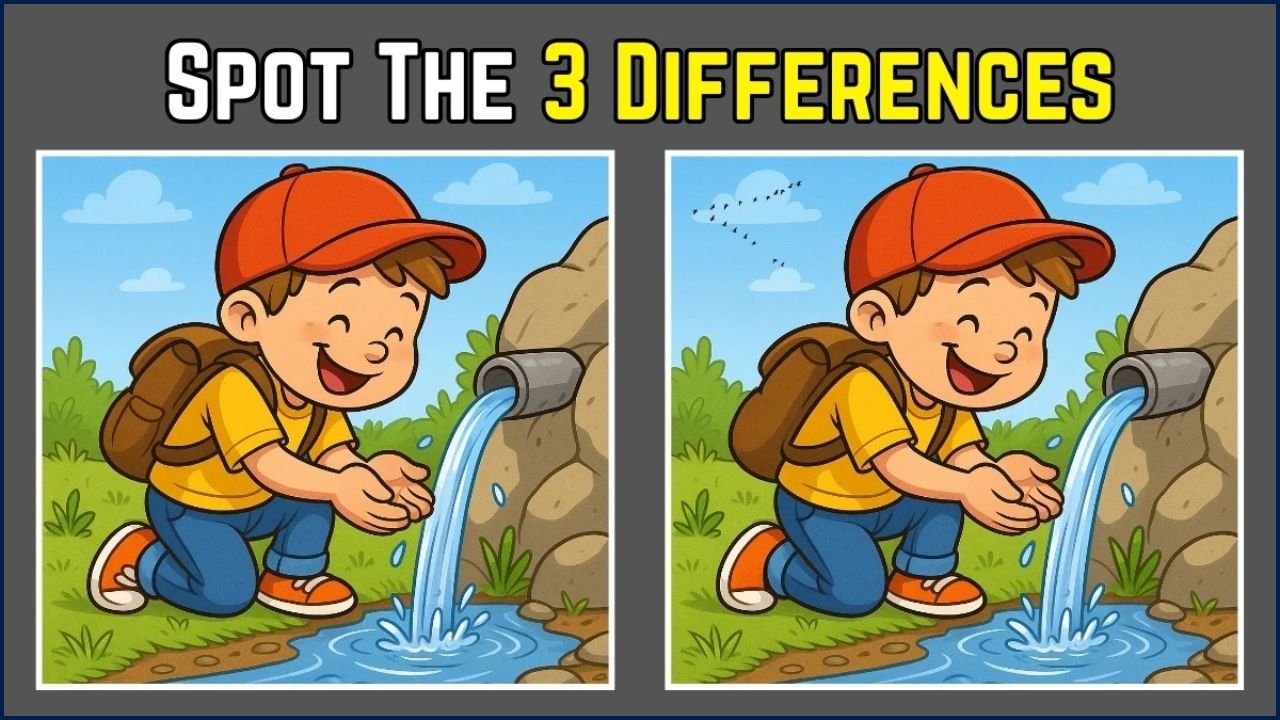
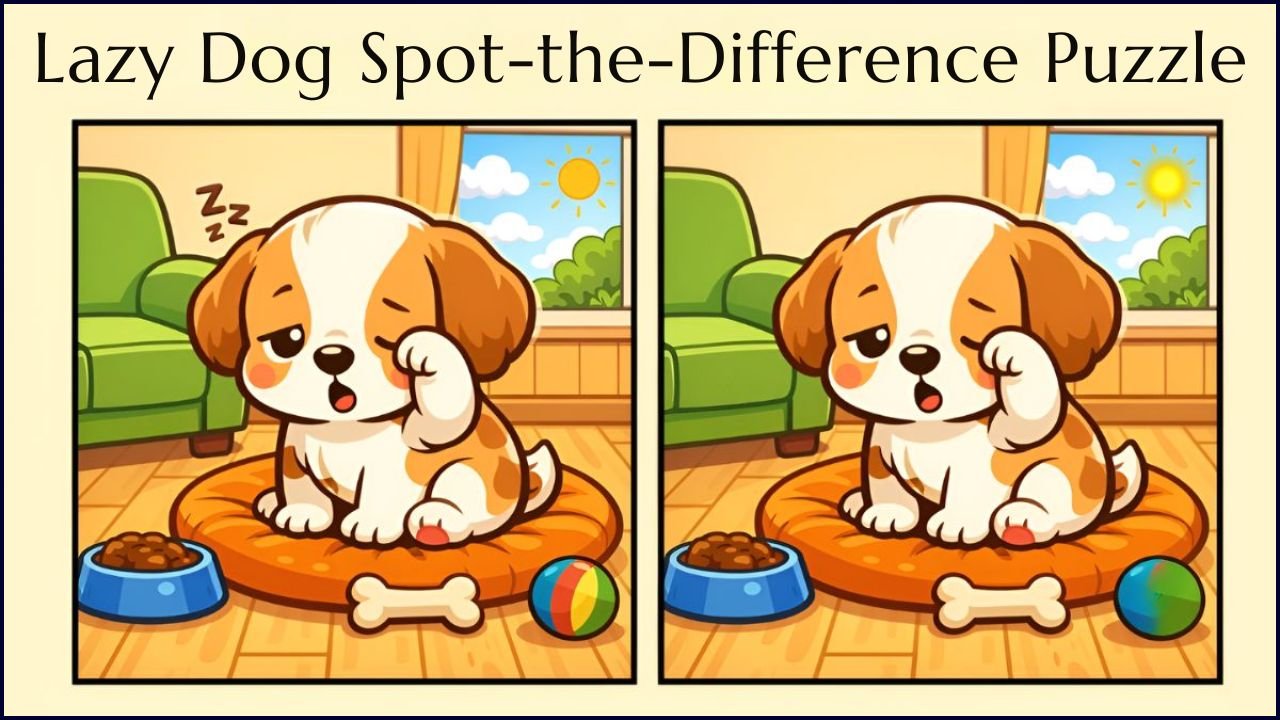
The Spot-the-Difference Challenge is a visual perception exercise in which two images that appear almost identical are displayed side by side. Participants are asked to locate a fixed number of differences, most commonly three, within a limited period.
The differences are intentionally subtle. They may involve the removal or addition of an object, a small color change, a slight shift in shape, or a modification in background detail. Unlike traditional puzzles that rely on logic or language, spot-the-difference challenges depend almost entirely on visual scanning and attention.
The format is not new. Print newspapers, magazines, and children’s activity books have featured similar puzzles for decades. What has changed is the way these challenges are presented and distributed. Digital platforms now frame them as rapid tests, often accompanied by countdowns and competitive language, which increases their appeal and shareability.
Why the Challenges Are Gaining Popularity
The Impact of Time Pressure
Time pressure is a defining feature of most modern Spot-the-Difference Challenges. Viewers are commonly given between five and fifteen seconds to find all hidden changes. According to cognitive researchers, time constraints heighten mental focus and increase emotional engagement.
“Time pressure forces the brain to prioritize information quickly,” said Dr. Laura Simmons, a cognitive science researcher at the University of Michigan. “This creates a sense of urgency that keeps people engaged, even when the task itself is relatively simple.”
Short time limits also encourage repeated attempts. Viewers who miss one or more differences are likely to replay the challenge, increasing overall interaction.
Social Media and Engagement Mechanics
The design of spot-the-difference puzzles aligns closely with how modern platforms measure success. The challenges are visually clear, require no audio, and can be understood instantly without instructions. This makes them accessible across languages and age groups.
Algorithms that prioritize watch time and repeat views further amplify such content. Because users often pause, replay, or share these puzzles, they perform well in recommendation systems.
The Science Behind Spotting Differences
Visual perception involves more than simply seeing. The brain actively filters information, prioritizing what it believes is most relevant. When presented with two similar images, the brain tends to focus on central objects first, often overlooking background elements.
This tendency is exploited by puzzle designers. Changes are frequently placed in areas that the brain is less likely to scan quickly, such as corners or secondary objects.
Studies in cognitive psychology suggest that repeated exposure to visual scanning tasks can improve attention efficiency in the short term. However, experts stress that these gains are modest.
“These puzzles stimulate attention and perception,” Simmons explained. “But they do not fundamentally change cognitive capacity.”
Common Types of Hidden Changes
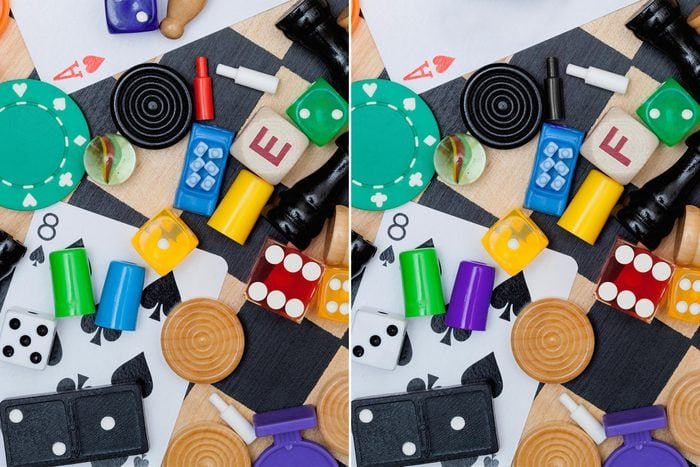
Most Spot-the-Difference Challenge puzzles rely on a limited set of alteration techniques. These include:
- An object being added or removed
- A slight change in color or brightness
- A modification in size or shape
- A background detail disappearing or shifting
The effectiveness of these changes lies in their subtlety. Large or obvious differences reduce the challenge, while extremely minor alterations risk frustrating participants. Successful puzzles strike a balance between difficulty and solvability.
How Puzzle Designers Create Difficulty
Puzzle designers follow established principles to ensure challenges remain engaging. One common method is misdirection. By keeping prominent objects identical, designers encourage viewers to assume those areas are unchanged.
Another technique involves symmetry. When two images appear symmetrical, the brain expects consistency, making small asymmetrical changes harder to detect.
Color manipulation is also widely used. Slight shifts in shade or saturation can be difficult to notice, especially on smaller screens or under poor lighting conditions.
The Role of Device and Screen Quality
The experience of a Spot-the-Difference Challenge can vary significantly depending on the device used. Screen size, resolution, brightness, and color accuracy all influence visual clarity.
Participants using smartphones may struggle to notice small background details that are more visible on larger monitors. This variability raises questions about fairness when challenges are framed as tests of ability rather than casual entertainment.
Environmental factors such as glare, fatigue, and eyesight also play a role. These variables are rarely acknowledged in viral puzzle formats.
Expert Perspectives and Criticism
While most experts view spot-the-difference puzzles as harmless entertainment, some express concern about how they are presented. Headlines that imply intelligence testing or cognitive superiority can be misleading.
“Visual speed is only one narrow skill,” said Dr. Marcus Lee, an educational psychologist based in California. “It should not be equated with intelligence, problem-solving ability, or mental health.”
Educators also note that children and older adults may experience these challenges differently due to developmental and physiological factors.
Educational and Therapeutic Uses
Despite limitations, spot-the-difference puzzles are sometimes used in educational and therapeutic settings. Teachers incorporate them into classroom activities to encourage observation skills, while therapists may use them to support visual attention exercises.
In such contexts, the puzzles are presented without time pressure and with guided discussion. This approach emphasizes learning rather than competition.
Clinical professionals stress that these exercises are supplementary tools rather than diagnostic measures.
Cultural and Global Appeal
One reason the Spot-the-Difference Challenge has achieved global reach is its lack of language dependence. Images transcend linguistic barriers, allowing the same puzzle to be shared across regions without modification.
This universality has made the format particularly popular with international media outlets seeking broad engagement. The same image can circulate across countries, generating comparable interaction metrics.
What Comes Next
As digital media continues to evolve, visual challenges are expected to remain a core engagement strategy. Advances in image design, animation, and interactivity may further enhance these puzzles.
Experts predict that future formats may incorporate adaptive difficulty, allowing challenges to adjust based on user performance. Others anticipate integration with educational platforms, where visual puzzles support structured learning goals.
For now, the Spot-the-Difference Challenge remains a simple but effective way to capture attention in a fast-paced digital environment.
FAQ
What is the Spot-the-Difference Challenge?
It is a visual puzzle where participants identify small changes between two nearly identical images.
How many differences are usually hidden?
Most challenges feature three to five differences.
Do these puzzles improve brain health?
They may enhance short-term visual attention but are not proven cognitive training tools.
Why are they timed?
Time limits increase engagement and encourage repeated interaction.
Are these challenges suitable for all ages?
Yes, though performance can vary based on eyesight, age, and device quality.